Talking Cancer
Aren’t we so great at raising funds for cancer-related charities? It’s amazing how much we can raise and the challenges we’ll take on.
But actually talking about cancer at work and life after treatment? Shhhhh.
And yet, by 2030, an estimated 1.15 million people of working age will be living with cancer in the UK.
We can’t just focus on raising funds anymore. We need to get better at talking about what happens when cancer comes into our workplaces, what happens during treatment, and what happens when someone finishes treatment and comes back.
I’m here to use my own experience of cancer, the insight I’ve gained as co-founder of The Brave Behinds, and more than 20 years of working in HR and organisations to get people talking and help change the narrative.
Because sometimes we need to be willing to get a little uncomfortable.
Because, honestly, we need to get better at talking about cancer and everything that comes after.
Bring Cancer at Work into your organisation
I deliver brave, bold, emotional and engaging sessions for organisations that want to open up the conversation about cancer and help people understand the human experience behind it.
Rather than placing the pressure on colleagues who have experienced cancer to share their own stories, invite someone in who is ready to have the conversation.
I can talk openly about diagnosis, treatment, recovery and life after cancer, creating space for your people to listen, reflect, ask questions and understand a little more about what cancer can actually look and feel like.
Every organisation is different, so together we can shape the conversation around your audience and what you want people to take away.
Do not expect a medical lecture. Expect a bold, honest, engaging and sometimes funny conversation, shaped by lived experience.
Sessions can explore:
Receiving a cancer diagnosis while you’re working
What treatment and recovery can really look like
What helps — and what really doesn’t
Talking to somebody affected by cancer without disappearing, panicking or trying to fix everything
Returning to work and why “back at work” doesn’t necessarily mean “back to normal”
The longer-term physical and emotional impact of cancer and treatment
Confidence, identity and life after cancer
Supporting colleagues, friends and family affected by cancer
The practical lifestyle changes that helped me rebuild my health and wellbeing
Cancer doesn’t disappear when treatment ends
When somebody in your organisation receives a cancer diagnosis, knowing what to say and do can feel difficult. People understandably worry about saying the wrong thing. Managers may not know how much to ask. Colleagues want to help but don’t necessarily know how.
And the person with cancer can suddenly find themselves managing everyone else’s discomfort alongside appointments, treatment, side effects, fear and their own uncertainty about what happens next.
Then treatment ends. And everyone understandably wants to celebrate. But recovery can be complicated too.
There can be fatigue, changes to your body and confidence, menopause or other long-term treatment effects, scan anxiety, a completely altered perspective on work and life, endless appointments, adjustments to medication and the process of adapting to the ‘new normal’ that is you after cancer.
Sometimes, it can also feel as though everyone else has moved on before you have.
This is one of the reasons I want us to get better at talking about cancer at work. Not just the diagnosis. Not just the fundraising. The whole messy, human bit that comes with it.
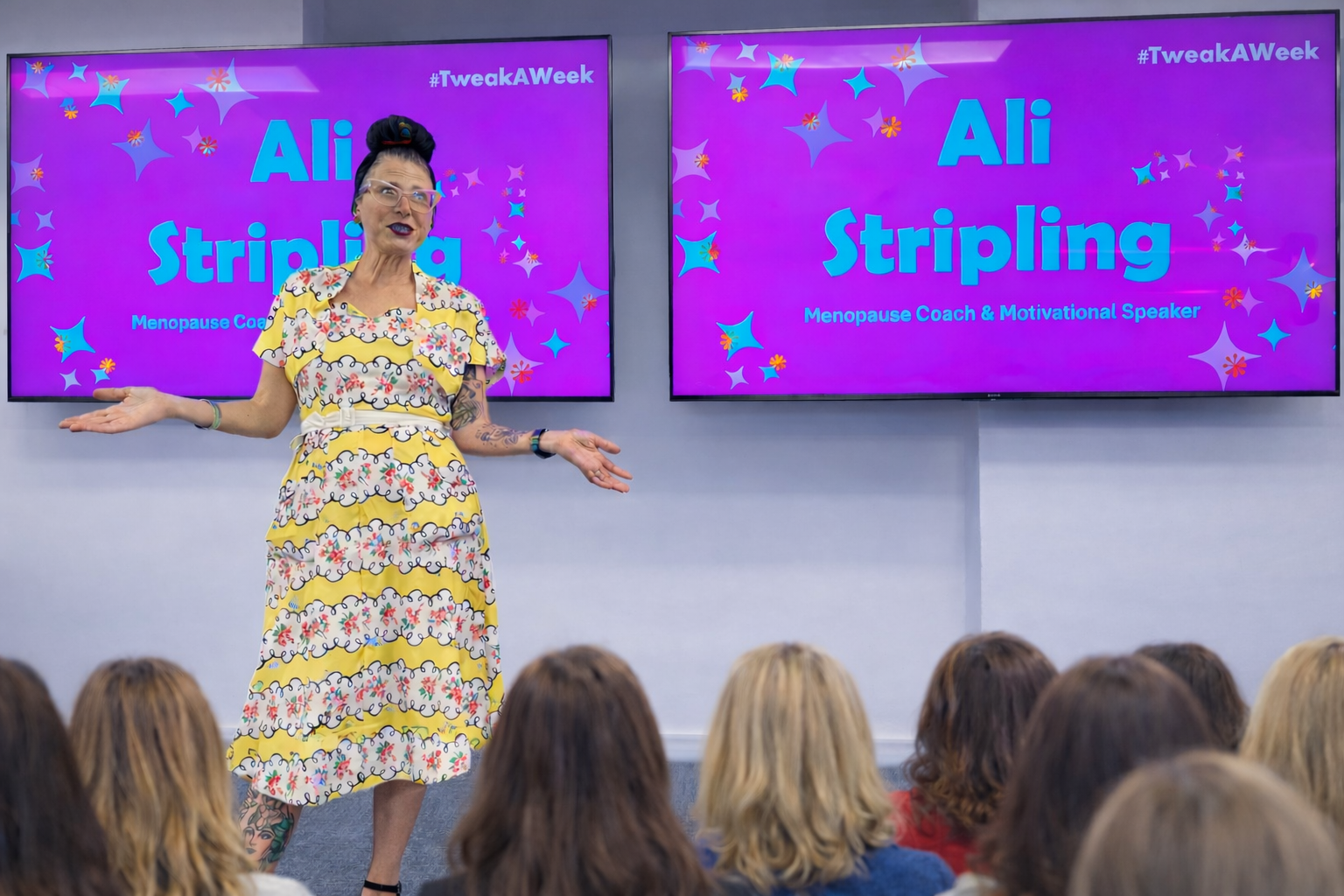
Keynotes, advocacy & partnerships
I’m available for paid corporate events, conferences, panels, awareness campaigns and keynote speaking.
I’m also available for paid patient advocacy work, advisory conversations, campaigns and brand partnerships where my lived experience of cancer, menopause and recovery can help shape better conversations, services and communications.
That can include working with organisations as a patient advocate, contributing to campaigns, speaking at industry or healthcare events, and selective brand ambassador partnerships with products and organisations I genuinely believe in.
If it involves talking honestly about cancer, women’s health, treatment, recovery or helping people feel less alone in any of it, there’s a good chance I’ll want to hear about it.
Typical of me to get Anal Cancer.
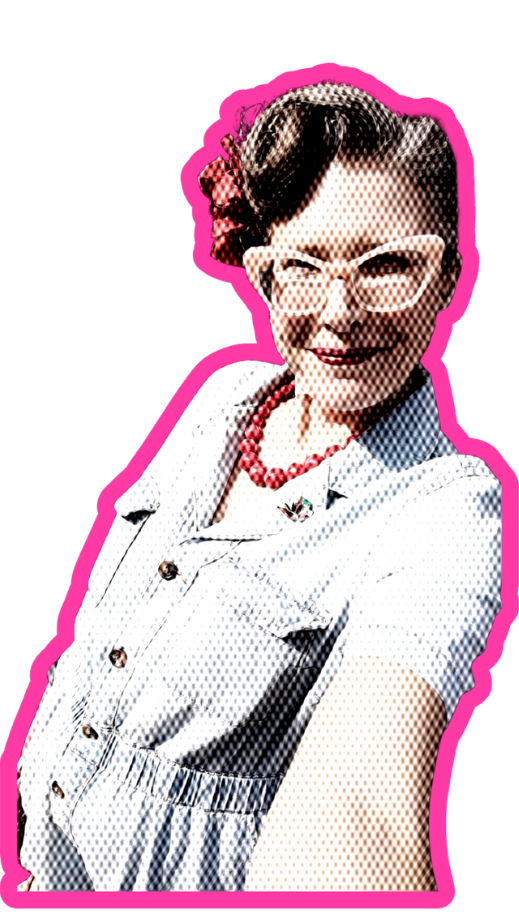
I was diagnosed with Stage 3 anal cancer in October 2024, after it had already spread to lymph nodes in my pelvis and groin.
I went through five and a half weeks of chemoradiation, a brutal treatment pathway that pushed me into medical menopause. I am now living with no evidence of disease and under close observation.
And, typical of me, I got a cancer that still comes with shame and stigma. A cancer where people hide behind other names and where you can actually watch someone’s face change when you say what is, after all, just another body part: ANAL.
Cancer can show up anywhere. In our bones, our blood, our brains, our breasts and, yes, up your butt.
I’m proud to use my story to help make those conversations less awkward, less whispered and less hidden. If getting comfortable with the uncomfortable helps someone else feel less alone, I’m here for it.
Podcasts & Conversations
I love love love a proper conversation — you know, those ones where you can really get into the weeds.
I’m available as a podcast guest to talk openly about cancer, HPV, women’s health, menopause, recovery, lifestyle, work and what happens when life takes a completely unexpected turn.
I’m particularly passionate about breaking the silence around cancers and symptoms people can feel embarrassed talking about.
Because embarrassment should never stop somebody seeking help, and we need to stop suffering in silence.
Let’s Talk About Bums: HPV, Anal Cancer & Life After – Ali’s Story
I joined Naomi on the Life After Cancer? podcast to talk very openly about anal cancer, HPV, the stigma that still surrounds both, and what life can look and feel like after treatment.
We also talked about diagnosis, recovery, medically induced menopause, the emotional impact of cancer, and why speaking more openly about these things really matters. We had a much needed laugh and giggle together too.
Beyond The Pink
On The Navigating Menopause After Cancer podcast, I joined Danni Binnington to talk about my Stage 3 anal cancer diagnosis, the link with HPV, pelvic radiotherapy, treatment-induced menopause and the gaps in support that can leave people feeling incredibly alone.
It is an open conversation about shame, confidence, sexual wellbeing and why every cancer deserves to be talked about. We also talk about HRT, local oestrogen, life after treatment and finding humour in the hardest moments.
The Many Faces of Cancer Podcast
I joined Melissa Grosboll to talk about my Stage 3 HPV-related anal cancer diagnosis, the symptoms I ignored, the reality of chemoradiation and the part that often gets overlooked: life after treatment.
We also talked about scanxiety, reducing stress, finding community and why there should be no shame around anal cancer.
Living With & Beyond Cancer
I joined Steve Pointon to talk about my journey from the first symptoms and diagnosis through treatment, recovery and the challenges that followed.
We also talked about the impact cancer had on everyday life, the importance of patient advocacy and shared decision-making, and why support after treatment matters just as much as support during it.
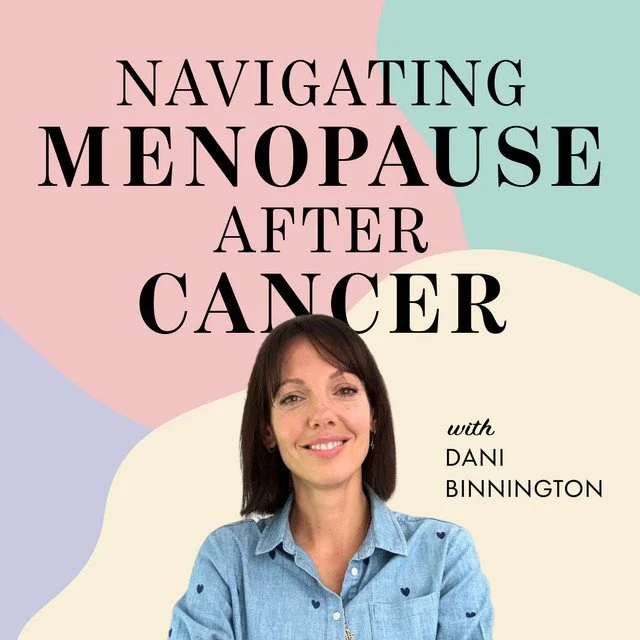
“Ali is a brilliant communicator who speaks with empathy and knowledge about the things she’s passionate about. She’s been a guest on my podcast and discussed a delicate topic with courage and care - something that is rare to find in today’s world of sensationalism. Thanks Ali! You’re a bright light”
— Dani Binnington