Workplace speaker. Author. Women’s health advocate. Cancer survivor. And someone who has spent more than 20 years trying to make organisations a little more human.
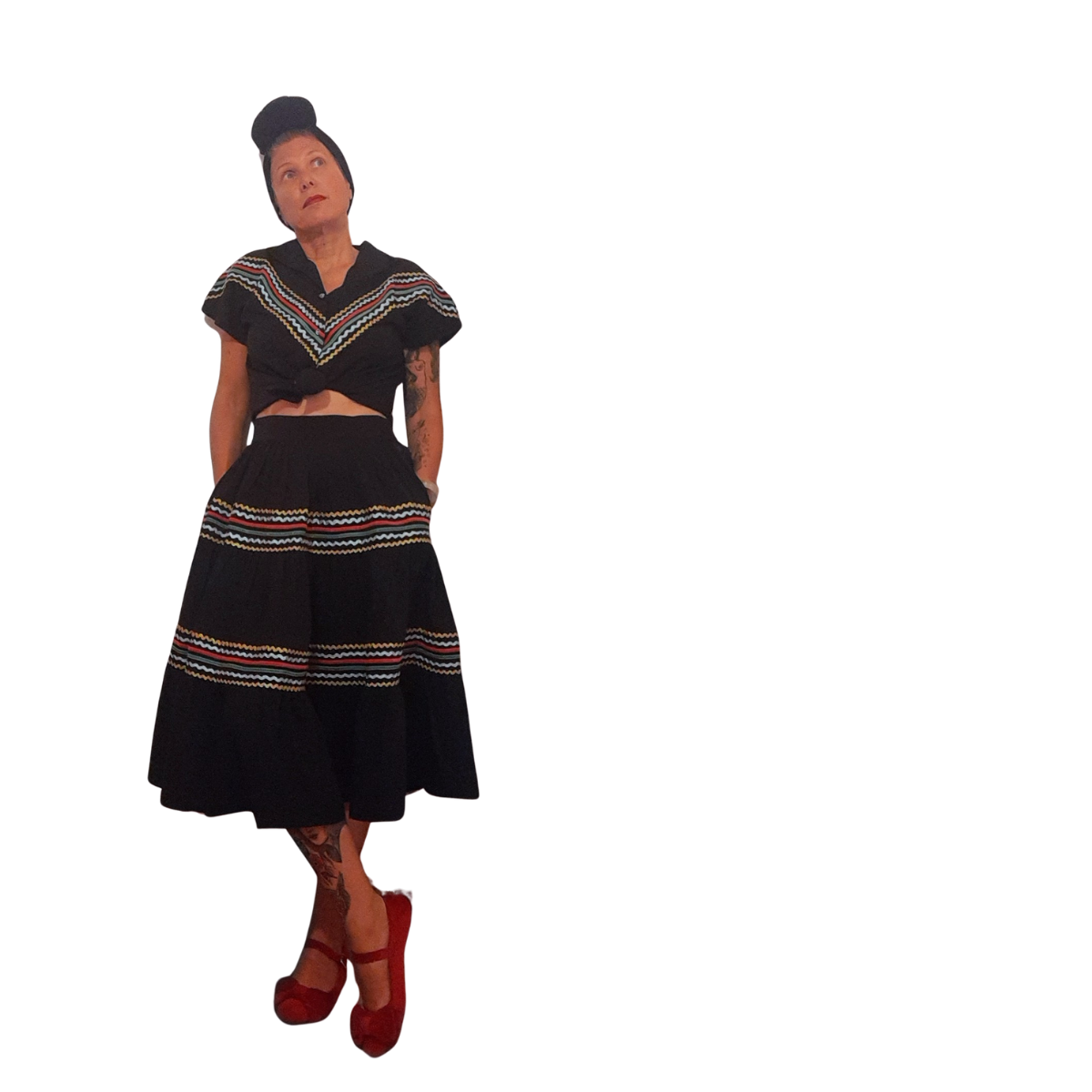
Meet Ali Stripling
I’m Ali Stripling, a workplace menopause and cancer speaker, qualified Menopause Wellness Practitioner, author of #TweakAWeek® and co-founder of The Brave Behinds.
Before I started talking about menopause and cancer for a living, I spent more than 20 years working inside major organisations including Arm, Heineken, EDF Energy and MIB, across employee engagement, inclusion, partnerships and organisational culture.
That experience matters because I understand the realities behind workplace wellbeing. I know what it’s like to work with senior leaders, navigate competing priorities and try to turn good intentions into something employees can actually feel.
These days, I combine that corporate experience with professional menopause training and the lived experience of having my own health turned completely upside down. Twice.
I speak honestly about the things we often find hardest to talk about, but I don’t believe difficult subjects need to feel heavy, clinical or frightening. People learn more when they feel comfortable, included and able to laugh too.
My sessions are definitely not a yawn-fest.
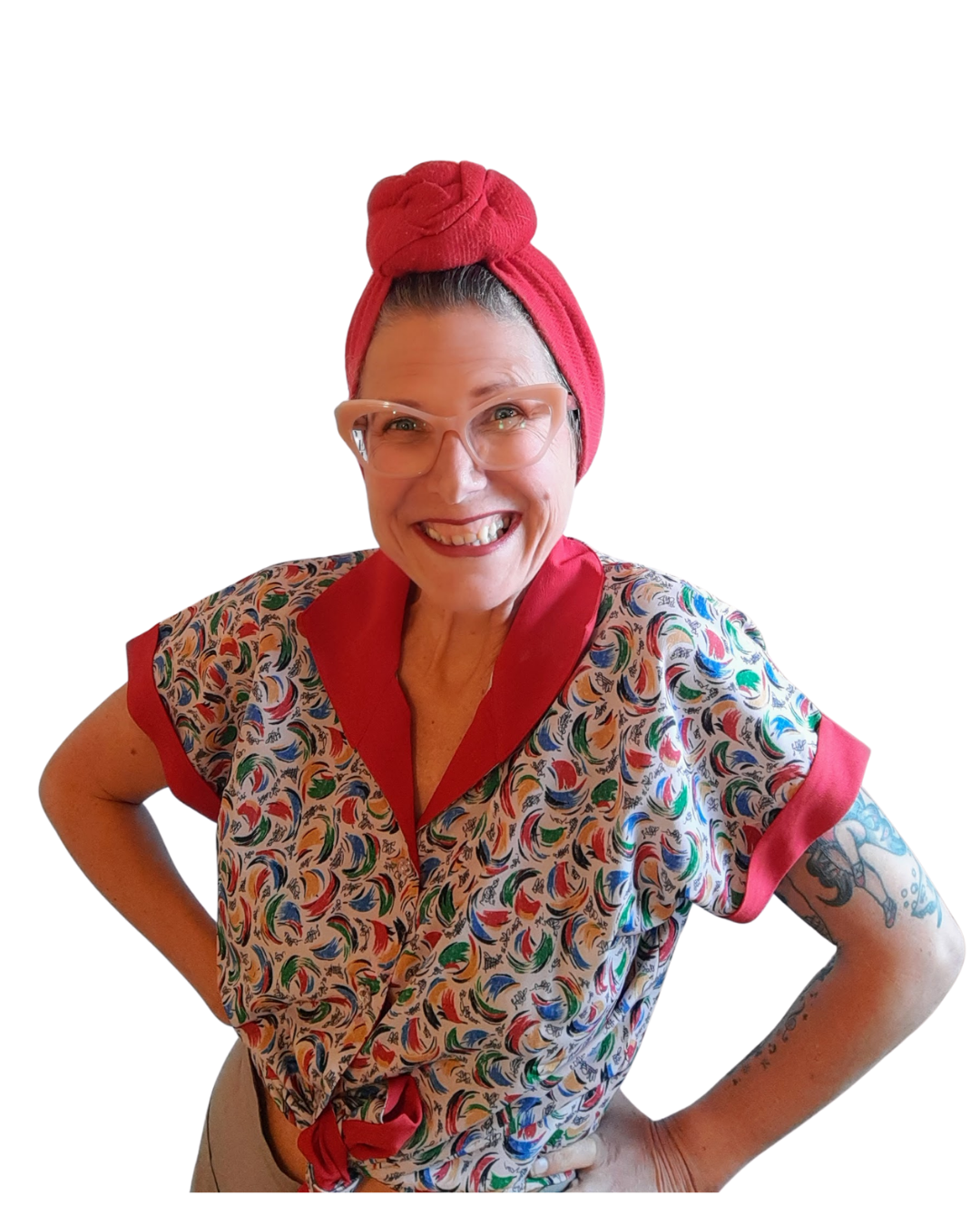
When perimenopause changed everything
I was practically born clapping.
I was confident, energetic, sociable and always up for an adventure. I loved my career, my team, the travel and the life my husband and I were building. Then, in my mid-40s, things began to change.
My confidence disappeared. My anxiety went through the roof. I struggled to sleep, overthought everything and barely recognised myself. And eventually, I was signed off work with exhaustion and prescribed antidepressants. A nurse mentioned that I might be perimenopausal, but there was no real explanation and very little support.
At the time, I had barely heard the word, so I went home and Googled it.
That search eventually led me to retrain and complete a comprehensive Level 5 Diploma in Menopause Wellness with the College of Functional Wellness. During the course, I had one hallelujah moment after another as I finally began to understand what had been happening in my body and mind.
I started putting what I was learning into practice. Some changes helped. Some did not. At first, I tried to do everything at once and quickly became overwhelmed. Then I asked myself a different question.
What if I could turn some things up and dial others down?
That question became #TweakAWeek®.
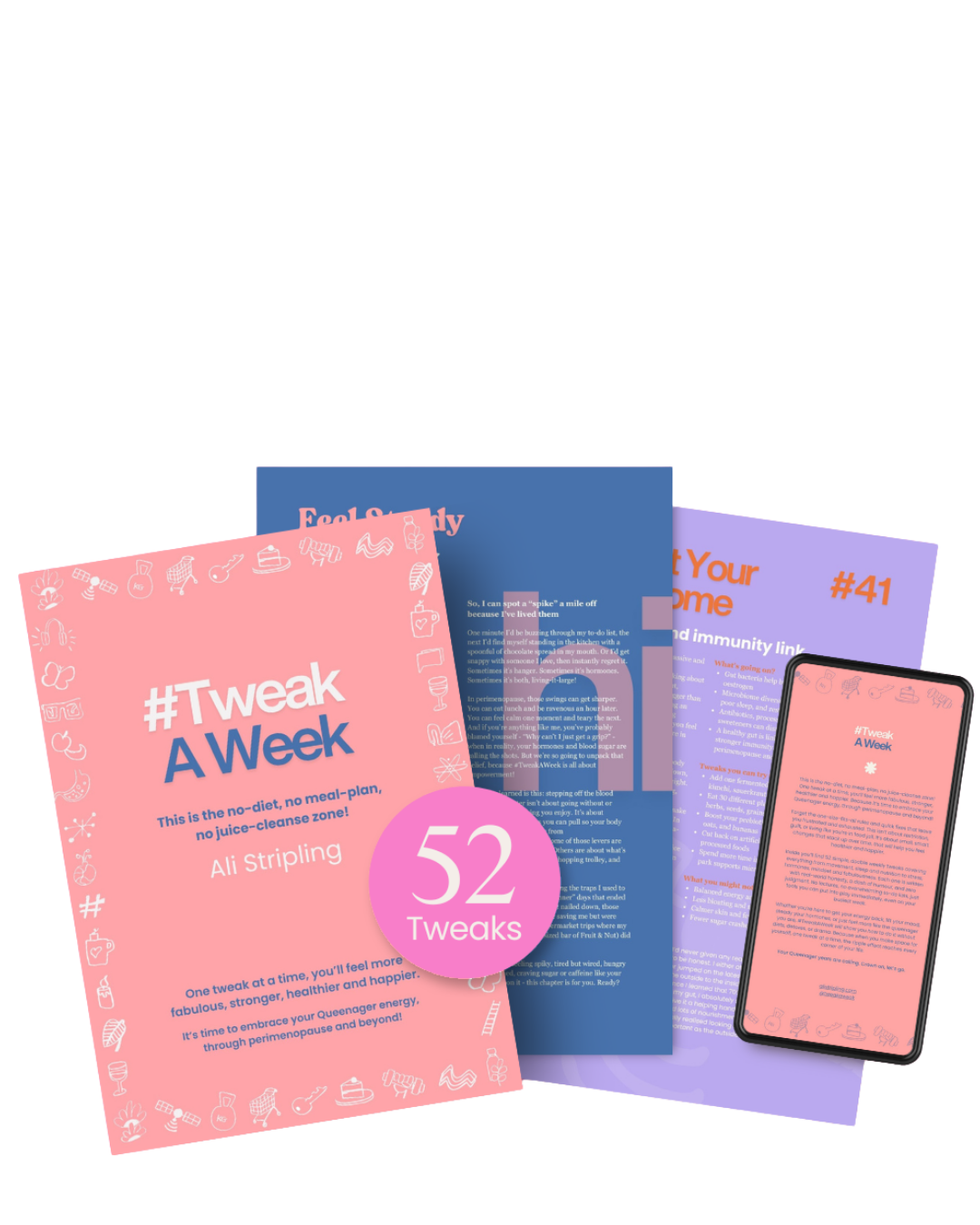
Why I created #TweakAWeek®
#TweakAWeek® is my practical wellbeing framework and ebook, built around 52 small, realistic lifestyle changes. And it’s the no-diet, no meal-plan, no juice-cleanse zone.
The tweaks cover movement, sleep, nourishment, stress, blood sugar, hormones, mindset, confidence and the everyday habits that can make a real difference over time.
I created it because I was tired of women being told to overhaul their entire lives.
Most of us do not need another impossible plan, another list of rules or another reason to feel as though we are failing. We need ideas that fit into real life.
That might mean drinking a glass of water while the kettle boils, adding protein to breakfast, getting outside for ten minutes, putting the phone down earlier or dancing around the kitchen to one brilliant song.
Small changes matter when they are changes you can actually keep doing.
Then came cancer
In October 2024, I was diagnosed with Stage 3 anal cancer. It had already spread to lymph nodes in my pelvis and groin.
Yes, you can get cancer up your butt. No, I didn’t know that either.
The diagnosis came after months of symptoms I had explained away or assumed were caused by something else. Treatment involved 28 rounds of chemotherapy and radiation — chemoradiation — over five and a half weeks.
It was brutal, frightening and life-changing. Treatment also pushed me into medical menopause, and afterwards came something I hadn’t really understood before: just because treatment finishes doesn’t mean the cancer experience finishes with it.
There were follow-up appointments, medication changes, scan anxiety, changes to my body, rebuilding my strength, trying to understand what my new normal looked like and dealing with the fear that can sit quietly underneath life after cancer.
I am now living with no evidence of disease and under close observation.
Cancer changed my perspective enormously, but it didn’t take away my humour, my energy or my desire to talk about the things other people might rather whisper about. If anything, it made me more determined to do it.
It also made me realise how much work there still is to do around cancer at work, recovery, shame, patient advocacy and the enormous gap between ringing the bell and actually feeling as though life has moved on.
That experience now sits alongside my menopause work and has opened an entirely new part of what I do: speaking about cancer, workplace conversations, patient advocacy, podcasts, media and life beyond treatment.
The Brave Behinds
My own diagnosis also led me to co-found The Brave Behinds, a no-shame support squad for women affected by anal cancer.
Anal cancer is still surrounded by silence, embarrassment and misunderstanding. Even saying the word anal can make people visibly uncomfortable, which isn’t particularly helpful when that embarrassment could stop someone talking about symptoms, asking questions or getting support.
The Brave Behinds exists to help change that.
We talk honestly about diagnosis, treatment, recovery and everything that can come afterwards, while creating a space where women affected by anal cancer can feel understood without having to explain or sanitise what they’ve been through.
What matters to me now
I want women to understand their bodies sooner. I want workplaces to become better at talking about health. I want people affected by cancer to feel less pressure to hide what they’re going through. And I want us to stop waiting until something goes spectacularly wrong before we start paying attention to ourselves.
I’ve spent a lot of my life working with organisations, building programmes, bringing people together and trying to create positive change.
Now I get to do that work in a very different way.
I bring the corporate experience, the qualifications and the research, but I also bring the messy lived experience of perimenopause, burnout, cancer, treatment, recovery and starting again.
And I bring all of me to the room.
Because whether we’re talking menopause, cancer or simply how we look after ourselves a little better, I’d much rather start a conversation people remember than deliver another presentation they forget before they’ve closed their laptop.